🎁 FREE EXPRESS SHIPPING ON ORDERS $300+ 💎 COLLECT POINTS ON EACH PURCHASE 🎁REFER A FRIEND AND EARN CASH 🌍CANADA WIDE EXPRESS SHIPPING - TRACK NATIVE CARTONS 🎁SAVE MONEY ON NATIVE CARTONS


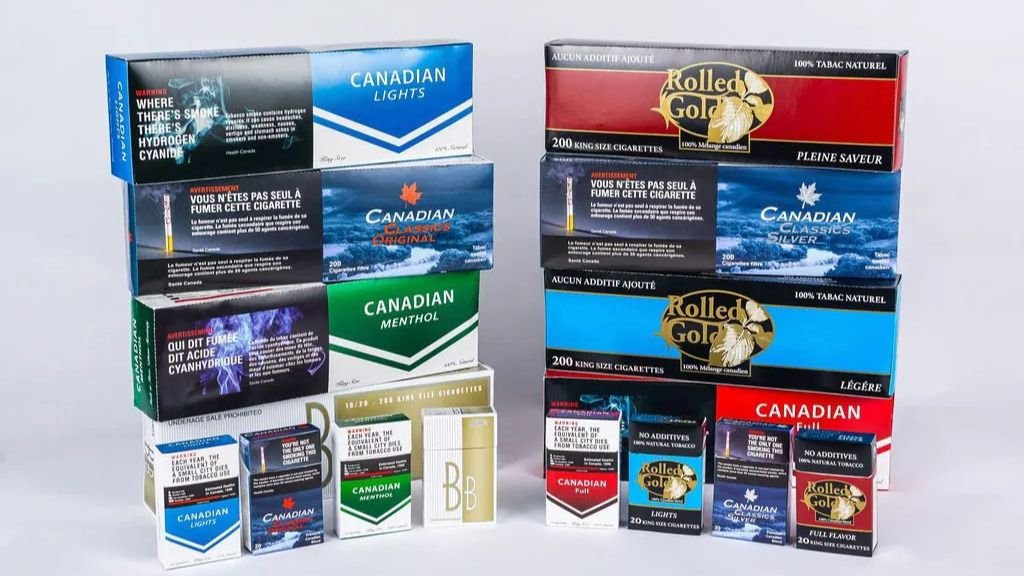
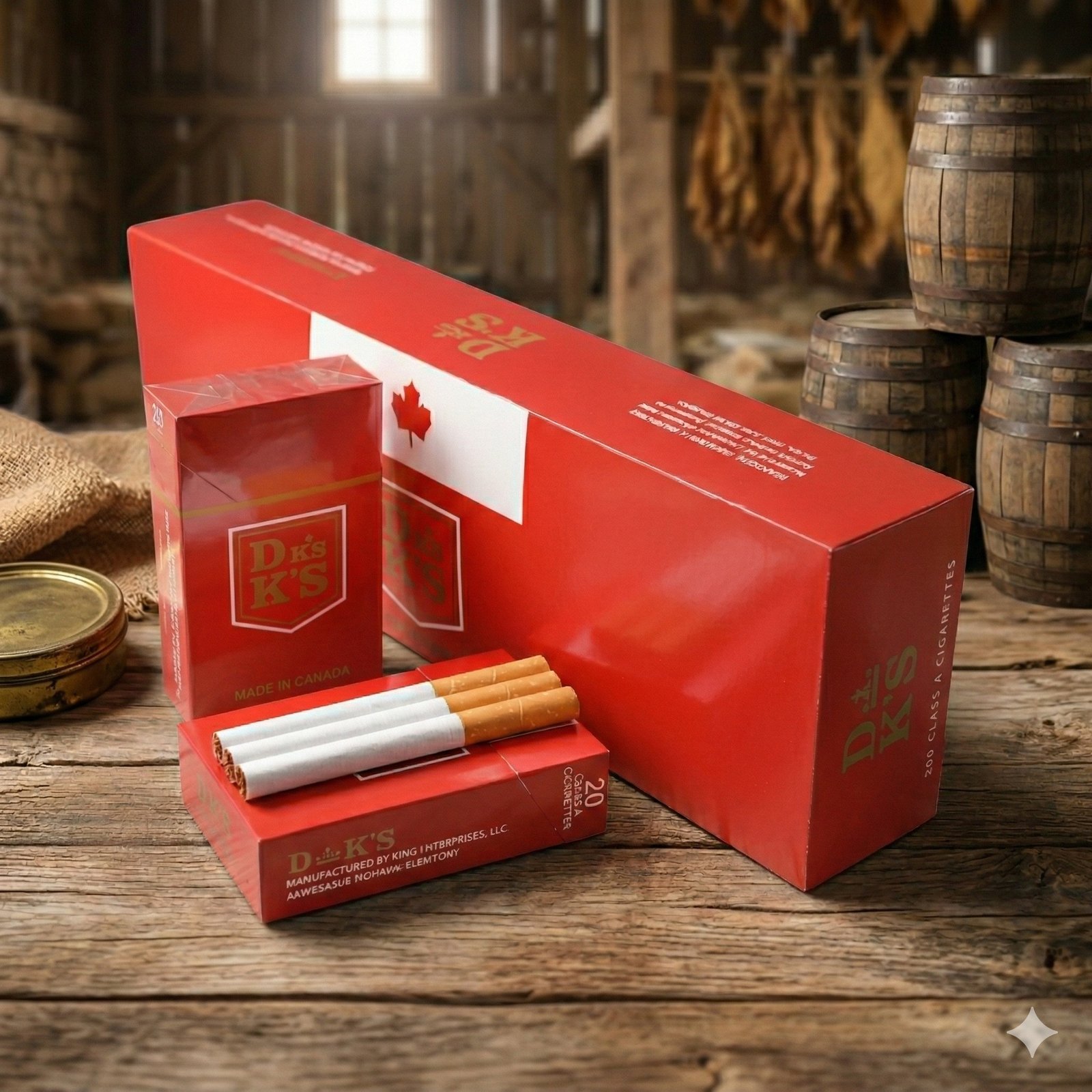
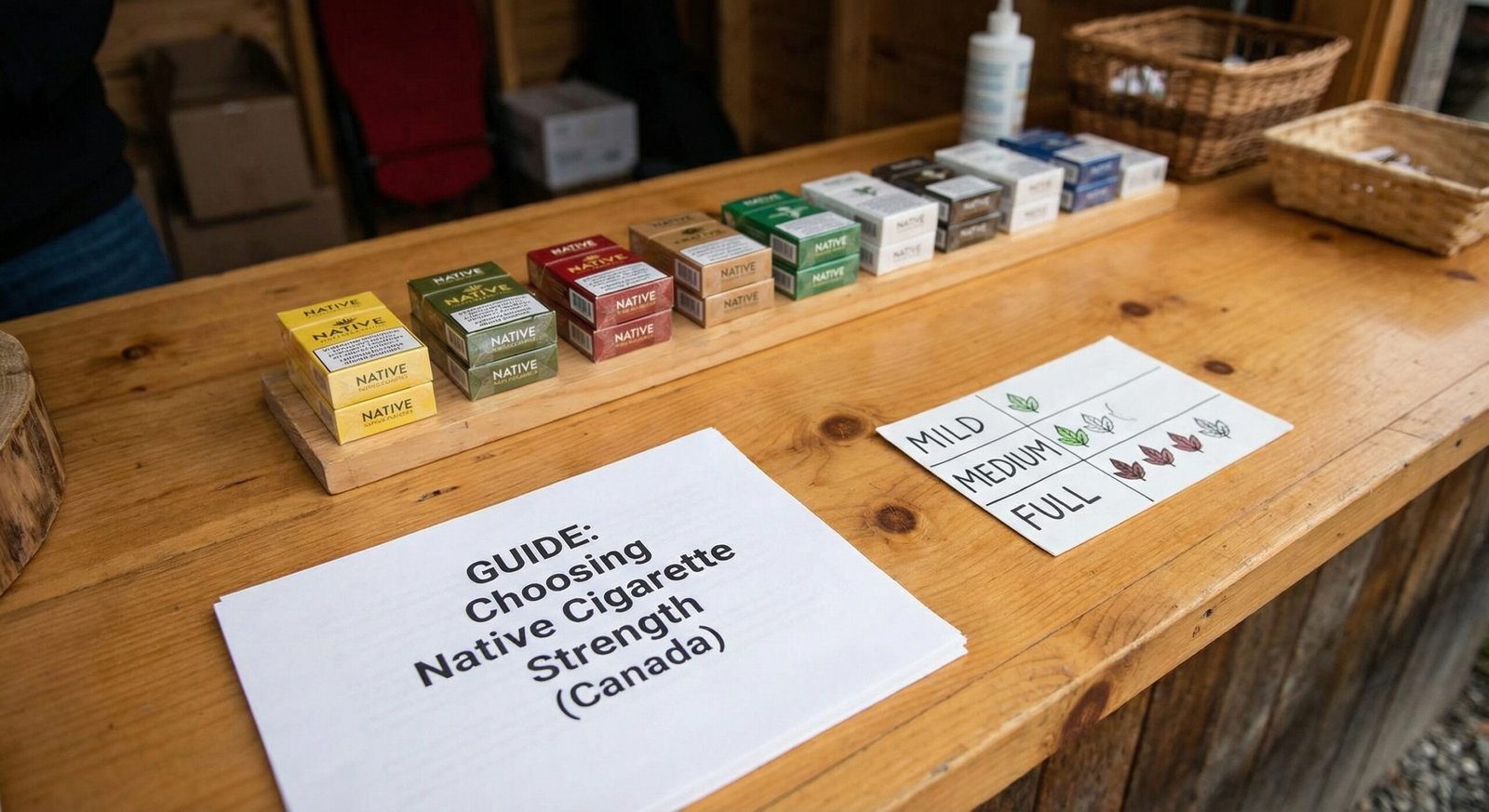
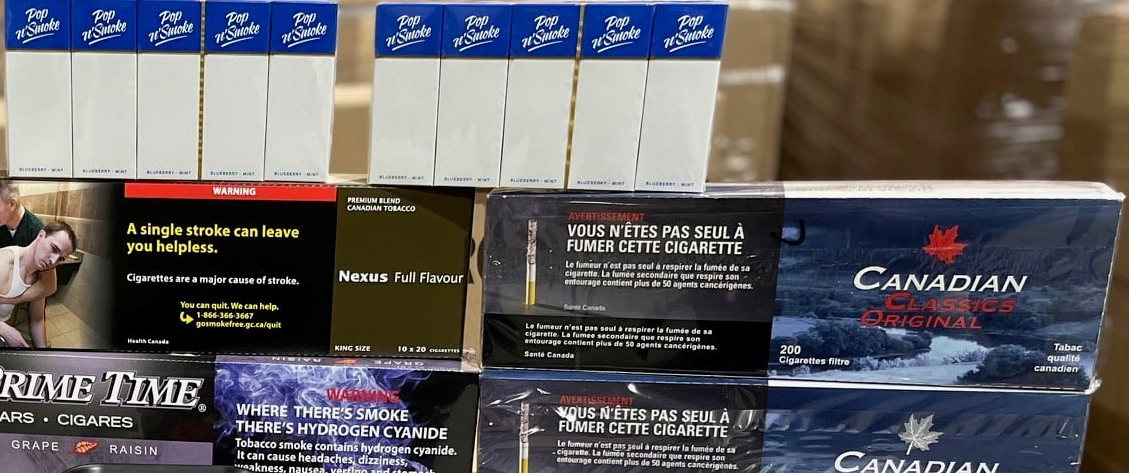

You must be at least 19 to buy native cigarettes in Nova Scotia, but age verification is only one part of the law affecting an online cigarette order. Provincial tobacco-access rules, retail permits, Nova Scotia tobacco tax and markings, federal interprovincial shipping restrictions, packaging requirements and carrier Proof of Age procedures can also apply.
This means an online tobacco order should not be judged solely by whether the purchaser is 19 or older. The location of the seller, destination of the shipment, status of the retailer, tax treatment of the tobacco and method of delivery can all affect whether a particular transaction complies with Canadian and Nova Scotia law.
Also read – How Much Does a Pack of Cigarettes Cost in Nova Scotia?
| Question | Current rule |
|---|---|
| Minimum tobacco age | 19 |
| Main provincial access law | Tobacco Access Act |
| Tobacco tax administration | Nova Scotia Tobacco Tax Program |
| Retail tobacco permit | Required for retail stores selling tobacco |
| Main federal tobacco law | Tobacco and Vaping Products Act |
| Interprovincial retailer-to-consumer shipping | Federally restricted |
| Proof of Age through Canada Post | Required for most tobacco shipments |
| Cigarette package health warnings | At least 75% of primary display area for most packages |
| Warnings on individual cigarettes | Required under current federal rules |
| Nova Scotia tax-paid tobacco markings | Provincial marking requirements apply |
| Tax-free First Nations retail sales | Subject to specific designated-retailer rules |
The minimum age to buy or receive tobacco from a vendor in Nova Scotia is 19.
Section 5 of Nova Scotia’s Tobacco Access Act prohibits a vendor or employee from selling or giving tobacco or a tobacco product to anyone under 19. The Act also prohibits purchasing tobacco on behalf of a person under 19.
Nova Scotia’s Tobacco Access Regulations contain the province’s proof-of-age rules and identify government-issued photo identification that can be used when age verification is required.
Being 19 or older does not automatically make every online tobacco transaction lawful. Age is one legal requirement among several.
Both Nova Scotia law and federal Canadian law can apply to an online tobacco transaction.
The main legal frameworks include:
The Tobacco Access Act regulates how and to whom tobacco can be sold in Nova Scotia.
Among other rules, it addresses the minimum age, proof of age, tobacco displays, product restrictions and certain promotional practices.
Nova Scotia states that tobacco vendors may not sell to people under 19, most tobacco products must remain out of view in ordinary retail settings, most flavoured tobacco is prohibited, and point-of-sale promotion is restricted.
Nova Scotia separately regulates tobacco taxation, retail and wholesale permits, tax-paid tobacco markings and certain quantities of tobacco that retailers may sell and consumers may possess.
These rules are administered through the provincial Tobacco Tax Program.
The federal Tobacco and Vaping Products Act applies throughout Canada.
For online orders, one of its most important provisions is section 9.1, which restricts tobacco products being sent or delivered for consideration from one province to another.
Federal law also regulates tobacco access, promotion, packaging and labelling.
There is no blanket rule saying every adult in Nova Scotia may legally order cigarettes from any Canadian website.
The answer depends partly on where the seller and shipment originate.
If both the sale and delivery occur within Nova Scotia, provincial retail, tax, age and product requirements remain relevant.
If tobacco is being sent to a Nova Scotia consumer from another province, federal interprovincial-shipping law becomes especially important.
Section 9.1 of the Tobacco and Vaping Products Act states that a person must not, for consideration, send or deliver a tobacco product from one province to another unless the transaction falls within a permitted category, such as certain manufacturer/retailer transactions, or an applicable regulatory exemption.
This is why statements such as:
“Online cigarettes are legal in Nova Scotia as long as you are 19.”
are incomplete.
Age eligibility does not override federal shipping law, provincial tobacco tax requirements or retailer obligations.
Ordinary paid retailer-to-consumer interprovincial tobacco shipments are restricted by federal law.
Section 9.1 of the Tobacco and Vaping Products Act prohibits sending or delivering tobacco for consideration from one province to another unless the shipment meets an exception provided by law.
Canada Post reflects the same restriction in its tobacco mailing rules.
Canada Post states that tobacco is non-mailable from one province or territory to another unless the shipment is:
Proof of Age is also required for most tobacco shipments that Canada Post is permitted to carry.
The distinction between an in-province sale and an interprovincial shipment is therefore central to understanding online tobacco rules in Nova Scotia.
Yes. Retail stores need a Tobacco Retail Vendor’s Permit to sell tobacco products in Nova Scotia.
The Government of Nova Scotia states that retail stores must hold this permit by law. A retail permit is valid for three years and is tied to the requirements of the provincial tobacco-tax system.
Nova Scotia also uses a separate Tobacco Wholesale Vendor’s Permit for businesses that sell, store or distribute tobacco products to retailers.
This creates an important distinction between:
being old enough to purchase tobacco
and
being legally authorized to sell tobacco in Nova Scotia.
Both sides of the transaction have legal requirements.
Nova Scotia has provincial marking requirements for cigarettes and other tobacco entering its tax-paid market.
The province’s Tobacco Tax Program includes specific marking requirements for cigarette packages and fine-cut tobacco manufactured in or imported into Nova Scotia’s tax-paid market. Cartons and cases are also covered by the provincial marking regime.
These provincial markings relate to tobacco taxation.
They are separate from federal excise markings and federal health-warning requirements.
A cigarette package can therefore be subject to several different systems at once:
| Requirement | Government level |
|---|---|
| Tobacco excise requirements | Federal |
| Health warnings and standardized packaging | Federal |
| Nova Scotia tobacco tax marking | Provincial |
| Retail permit requirements | Provincial |
| Minimum purchase age | Provincial |
| Interprovincial shipment restrictions | Federal |
Yes. Tobacco sold to consumers in Nova Scotia is subject to provincial tobacco tax.
Nova Scotia’s Tobacco Tax Program covers cigarettes, tobacco products, wholesalers, retailers, consumers, provincial stamps and tax-exempt sales.
The tax system normally works through the tobacco distribution chain rather than being treated simply as an optional charge added by a seller.
For online purchases, this means that a seller cannot establish compliance merely by stating that the product was manufactured in Canada or originated on First Nations land. The tax treatment of the specific product and transaction still matters.
Nova Scotia has quantity limits within its tobacco-tax rules.
The province continues to list Tax Bulletin 5033 as part of its current Tobacco Tax Program. The bulletin states that a retail tobacco vendor must not sell, and a consumer must not purchase or hold, more than:
1,000 cigarettes, or five cartons of cigarettes, or more than 1,000 grams of fine-cut or other tobacco, subject to the detailed rules in the provincial regulations.
This is another reason online tobacco compliance cannot be reduced to age verification alone.
Order quantity can also matter.
When a tobacco shipment requires Proof of Age, Canada Post verifies the person receiving the parcel before releasing it.
Canada Post states that if the recipient appears to be under 30, its delivery agent requests photo identification to confirm age and obtains a signature.
The sender sets the minimum age attached to the shipment according to the contents and applicable law.
For tobacco in Nova Scotia, the provincial minimum age is 19.
Not necessarily under Canada Post’s general Proof of Age procedure.
Canada Post states that Proof of Age applies to the individual receiving the package, regardless of whether that person is the addressee.
The person accepting the parcel must satisfy the minimum age requirement assigned to the shipment.
Separate sender-selected restrictions can still apply, so this rule should not be interpreted as overriding every delivery instruction.
Canada Post does not normally release a Proof-of-Age parcel when the required verification cannot be completed.
If the item cannot be delivered, Canada Post can leave a delivery notice directing the recipient to a post office for pickup. Identification and signature requirements can then apply before the parcel is released.
This is more accurate than saying every unsuccessful age check automatically causes the package to be returned to the seller.
The outcome depends on the carrier service and shipment instructions.
Nova Scotia’s Tobacco Access Regulations identify accepted forms of proof of age for retail tobacco purchases, while Canada Post applies its own identification requirements to Proof-of-Age deliveries.
Examples appearing in Nova Scotia’s provincial rules include government-issued photo identification such as a Nova Scotia driver’s licence, provincial photo identification and a passport.
For a delivered parcel, the carrier’s current identification rules should also be checked because retail-store proof of age and carrier proof of age are related but not identical procedures.
Yes. Tobacco products sold in Canada are subject to federal appearance, packaging and labelling requirements.
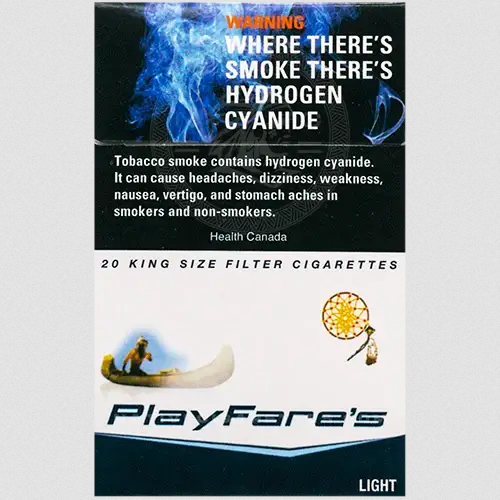
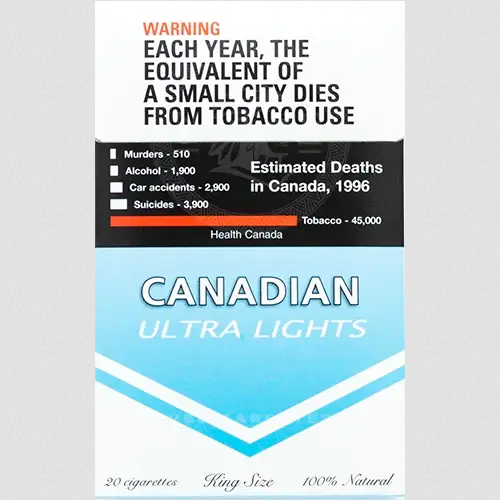
Health Canada’s Tobacco Products Appearance, Packaging and Labelling Regulations require health warnings to cover at least 75% of the primary display area of most tobacco packages.
The rules also require:
health information messages inside cigarette and certain tobacco packages;
toxicity information on package exteriors; and
health warnings on individual cigarettes and certain other tobacco products.
These requirements are federal and apply separately from Nova Scotia’s provincial tobacco-tax markings.
Yes. Health warnings are now required directly on individual cigarettes.
Health Canada introduced the individual-product warnings in stages.
Warnings on king-size cigarettes reached manufacturer and retailer compliance in 2024, while requirements for regular-size cigarettes followed in 2025.
Current tobacco-product compliance therefore involves both package warnings and warnings on the individual cigarette.
Nova Scotia prohibits the sale of most flavoured tobacco products, subject to limited exceptions in its legislation and regulations.
The Government of Nova Scotia lists the prohibition of most flavoured tobacco among the restrictions applying to tobacco vendors.
The Tobacco Access Act also expressly prohibits selling or offering flavoured tobacco, while the regulations set out limited exceptions for specified products.
Product availability online should therefore not be assumed to be identical across Canadian provinces.
No. Nova Scotia prohibits the sale of cigarettes in packages containing fewer than 20 cigarettes.
The Tobacco Access Act also prohibits selling unpackaged cigarettes.
Federal law independently requires cigarettes, little cigars and blunt wraps sold in Canada to be packaged in quantities of at least 20 unless a higher prescribed amount applies.
The provincial and federal rules therefore reinforce the minimum cigarette package size.

In stock
In stock
In stock
In stock
In stock

In stock
In stock

In stock

In stock
First Nations status or Indigenous manufacture does not create a blanket exemption from every tobacco rule in Nova Scotia or Canada.
Nova Scotia has a specific system for tax-exempt tobacco sales on reserves.
Retail stores on reserves such as Gold Star Smokes that sell tobacco tax-free to eligible First Nation customers are approved as Designated Tobacco Retail Vendors. The Government of Nova Scotia states that these retailers need a designated permit to make qualifying tax-free tobacco sales.
Nova Scotia also publishes specific rules governing the stamps and products that designated retailers may sell to individuals who have status under the Indian Act.
The legal treatment of a particular tobacco transaction can therefore depend on:
Statements such as “all Indigenous cigarettes are tax-free everywhere in Canada” are not accurate descriptions of this framework.
No. Nova Scotia’s tax-free system uses approved on-reserve retailers and defined eligibility rules.
The province requires an on-reserve retail store to obtain a Designated Tobacco Retail Vendor’s Permit before it can make qualifying tax-free tobacco sales to First Nation customers.
Tax-exempt status should therefore be evaluated under the actual Nova Scotia program rather than assumed from the purchaser’s status alone.
Tobacco promotion is restricted at both the provincial and federal levels.
Nova Scotia restricts point-of-sale promotion and certain tobacco advertising.
Federal law creates another important restriction for online sellers: section 9.1(2) of the Tobacco and Vaping Products Act prohibits advertising an offer to send or deliver tobacco from one province to another.
That provision matters directly to websites advertising delivery across provincial borders.
Different parts of the regulatory system are handled by different authorities.
A legal question should therefore be matched to the authority responsible for that particular rule.
Age verification is one requirement, not the entire legal test for an online tobacco order in Nova Scotia.
A complete review can require asking:
| Compliance question | Why it matters |
|---|---|
| Is the purchaser at least 19? | Nova Scotia minimum age |
| Does the seller need a Nova Scotia retail permit? | Provincial retail requirements |
| Is the tobacco properly taxed and marked? | Nova Scotia tobacco-tax rules |
| Does the order exceed provincial quantity limits? | Consumer and retailer limits |
| Is the parcel crossing a provincial boundary? | Federal section 9.1 may apply |
| Is the shipment mailable? | Canada Post tobacco rules |
| Is Proof of Age attached where required? | Delivery control |
| Does the package meet federal warning rules? | Health Canada requirements |
| Is a claimed First Nations tax exemption valid? | Designated-retailer program rules |
No single answer substitutes for the others.
You must be at least 19 years old. Nova Scotia’s Tobacco Access Act prohibits vendors from selling or giving tobacco to anyone under 19.
No. Being 19 satisfies the provincial minimum-age requirement, but retailer permits, tobacco tax, provincial markings, federal interprovincial shipping rules and delivery requirements can also apply.
Federal law restricts sending or delivering tobacco for consideration from one province to another unless an applicable exception exists. Ordinary adult status does not remove this restriction.
Canada Post lists consumer-to-consumer tobacco shipments among the interprovincial shipment categories it accepts, provided the applicable mailing rules are followed.
Canada Post requires Proof of Age for tobacco shipments except specified categories such as manufacturer/retailer and consumer-to-consumer shipments.
Canada Post says the person actually receiving a Proof-of-Age shipment must satisfy the age requirement, regardless of whether that person is the named addressee. Other sender-selected restrictions can still apply.
Yes. Retail stores selling tobacco need a Tobacco Retail Vendor’s Permit.
Nova Scotia’s currently listed Tax Bulletin 5033 states a maximum of 1,000 cigarettes or five cartons under the applicable tobacco-tax rules, along with limits for other tobacco.
No. Nova Scotia has a specific designated-retailer system for qualifying tax-exempt tobacco sales on reserves to eligible First Nation customers.
No. Nova Scotia requires participating on-reserve retailers to obtain approval and a Designated Tobacco Retail Vendor’s Permit for qualifying tax-free sales.
Nova Scotia prohibits most flavoured tobacco, subject to limited exceptions specified in provincial law and regulations.
Yes. Canada’s current federal tobacco labelling regime includes health warnings directly on individual cigarettes.
Before describing a Nova Scotia tobacco transaction as compliant, confirm the purchaser’s age, the seller’s permit status, the tobacco’s provincial tax treatment and markings, the quantity involved, the origin and destination of the shipment, federal interprovincial-shipping rules, carrier Proof-of-Age requirements and federal packaging requirements.
A claim that an order is legal merely because the buyer is 19 is not sufficient.
Nova Scotia tobacco law for online orders involves much more than an age check.
Nova Scotia sets the minimum tobacco age at 19 and requires retail tobacco vendors to hold provincial permits. Tobacco sold through the province’s tax-paid market is subject to Nova Scotia tax and marking rules, and quantity restrictions also apply.
At the federal level, the Tobacco and Vaping Products Act restricts paid interprovincial tobacco shipments, while Canada Post applies separate mailing and Proof-of-Age requirements. Federal packaging rules also require large package warnings and warnings directly on individual cigarettes.
Anyone assessing a specific sale should check the current legislation and government guidance applicable to that transaction. This information is general regulatory information rather than legal advice.
No account yet?
Create an AccountYou must be 19 years of age or older to view page. Please verify your age to enter.
Your access is restricted because of your age.