



![Menthol vs Non-Menthol Native Cigarettes Canada [2026 Guide].](https://goldstarsmokes.ca/wp-content/uploads/2026/02/Menthol-vs-Non-Menthol-Native-Cigarettes-Canada-2026-Guide.png)

Blog
Recent Posts
How Many Cigarettes Are in a Pack in Canada?
Most cigarette packs contain:
- 20 cigarettes (standard worldwide size)
- 25 cigarettes (most common in Canada)
- 200 cigarettes per carton (10 packs)
In Canada, 25-cigarette packs dominate retail and online sales, especially for value-conscious buyers.
Why This Question Matters More Than You Think
If you’re buying native cigarettes online, this isn’t just a curiosity.
It affects:
- Price per cigarette
- Carton value
- Shipping decisions
- Brand comparisons
Many buyers assume all packs are the same. They’re not.
The Standard Pack Size: 20 Cigarettes (Small King)
Globally, the most recognized format is the 20-cigarette pack, often called Small King.
Typical structure:
- 20 cigarettes per pack
- 10 packs per carton
- Total: 200 cigarettes per carton
Why it became standard:
- Easy to price and tax
- Fits retail shelves efficiently
- Matches daily consumption habits (1 pack/day model)
But here’s the gap most articles miss:
👉 This “standard” is not actually dominant in Canada anymore.
What’s Actually Common in Canada: 25 Cigarette Packs
In Canada, the real-world standard is:
- 25 cigarettes per pack
- Still 10 packs per carton
- Total: 250 cigarettes per carton
Why 25 Packs Took Over
This is where most competitors stop. Here’s the real insight:
- Higher tobacco taxes pushed brands to increase value per purchase
- Consumers shifted toward cost-per-stick thinking
- Retailers adapted inventory toward better margin packs
Real Buying Behaviour Insight (Information Gain)
Buyers rarely compare “pack price”.
They compare:
- Cost per cigarette
- Carton value vs frequency of purchase
That’s why 25 packs dominate online cigarette stores like: Gold Star Smokes
Because:
👉 Fewer reorders + better value perception = higher conversion
Alternative Pack Sizes (And Who They’re For)
Smaller Packs (5 or 10 cigarettes)
- Casual or occasional smokers
- Trial purchases
- Lower upfront cost
But in Canada:
- Often restricted or less common due to regulation
Larger Packs (25–30 cigarettes)
- Regular smokers
- Bulk buyers
- Online purchasers
These are often called:
- Large King packs
- Value packs
Key benefit:
👉 Lower cost per cigarette
Pack vs Carton: What You’re Actually Buying
Here’s a mistake many buyers make.
They think in packs.
Smart buyers think in cartons.
Breakdown:
- 1 pack = 20 or 25 cigarettes
- 1 carton = 10 packs
- 1 carton = 200 to 250 cigarettes
Real Example:
- 20-pack carton → 200 cigarettes
- 25-pack carton → 250 cigarettes
That’s a 25% difference in total quantity for similar purchase behaviour.
Dimensions & Packaging (Why It Matters Online)
Typical pack dimensions:
- Height: ~8.8 cm
- Width: ~5.7 cm
- Depth: ~2.4 cm
Why this matters:
- Affects shipping packaging
- Influences carton stacking
- Impacts damage risk during delivery
Ecommerce stores optimize around:
- Carton durability
- Compact packaging
- Discreet shipping
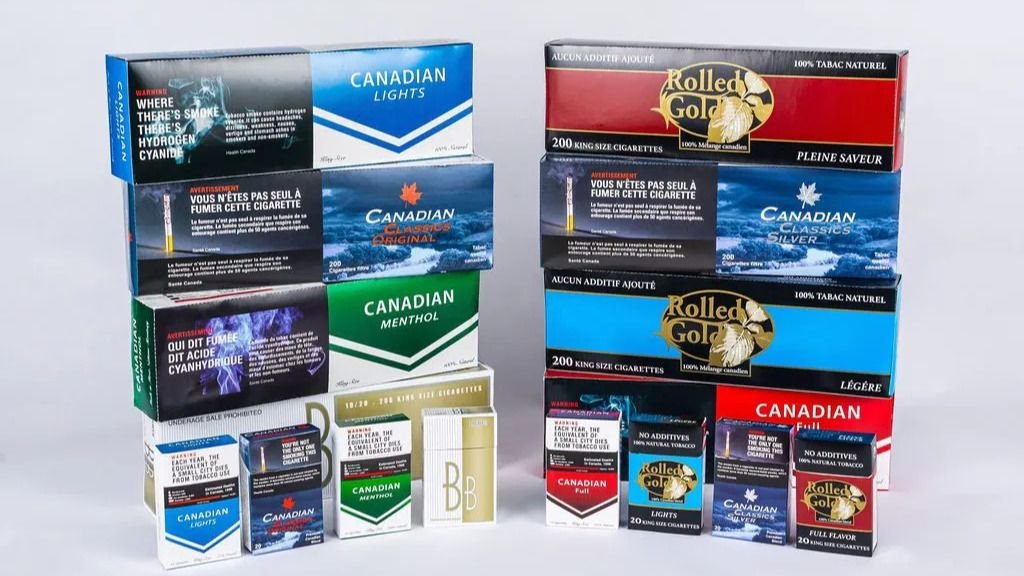
| Product(s) | Pack Type | Cigarette Quantity |
|---|---|---|
| BB Lights | Small-king, Flip-top | 20 per. pack 200 per. carton |
| Canadian Classics Silver | Small-king, Flip-top | 20 per. pack 200 per. carton |
| Canadian Full | Small-king, Flip-top | 20 per. pack 200 per. carton |
| Canadian Menthol | Small-king, Flip-top | 20 per. pack 200 per. carton |
The Role of Packaging in Buying Decisions
Even with strict regulations, packaging still influences perception.
What actually impacts buyers:
- Pack type (flip-top vs slide)
- Brand familiarity
- Perceived strength based on naming and colour
In Canada:
- Plain packaging laws reduce branding impact
- But brand recognition still drives repeat purchases
Regulations That Affect Pack Size
In Canada and globally:
- Minimum pack sizes exist to discourage youth access
- Smaller packs (like 10s) are restricted in many regions
- Health warnings must cover large portions of packaging
Key takeaway:
👉 Pack size is not just business-driven. It’s regulated.
Rolling Your Own vs Pack Cigarettes
Some buyers consider rollies.
What changes:
- You control tobacco amount
- Lower cost potential
- More effort required
But most buyers still prefer packs because:
- Consistency
- Convenience
- Time-saving
Future Trend: Will Pack Sizes Change?
There’s ongoing discussion globally:
- Smaller packs to reduce consumption
- Larger packs for value buyers
But in Canada:
👉 The trend is stable around 25 packs for now
Because it balances:
- Tax structure
- Consumer behaviour
- Retail economics
Practical Buying Insight (Most Important Section)
If you’re buying cigarettes online:
Always check:
- Cigarettes per pack
- Packs per carton
- Total cigarette count
- Final cost per cigarette
Example:
A cheaper pack isn’t always better.
A slightly higher-priced 25 pack may:
- Last longer
- Reduce reorder frequency
- Offer better overall value
Where This Fits When Buying Online
When browsing collections like:
- Cigarette cartons
- Rollies bags
- Value packs
You’ll notice:
- Quantity drives pricing
- Pack size drives decision-making
👉 This is why understanding pack size is critical before checkout
Frequently Asked Questions
How many cigarettes are in a pack in Canada?
Most commonly 25 cigarettes per pack, though 20 packs also exist.
How many cigarettes are in a carton?
Usually:
- 200 (20 packs)
- 250 (25 packs)
Why are 25 packs more common in Canada?
Because they offer better value per cigarette, especially with higher taxes.
Are smaller packs still available?
Rarely. Many regions restrict them due to tobacco regulations.
Do bigger packs mean cheaper cigarettes?
Per cigarette, yes.
Total price may be higher, but unit cost is lower.
Final Takeaway
Pack size isn’t just a number.
It directly affects:
- Value
- Buying frequency
- Overall cost
In Canada, the shift toward 25-cigarette packs reflects real consumer behaviour, not just industry design.