🎁 FREE EXPRESS SHIPPING ON ORDERS $300+ 💎 COLLECT POINTS ON EACH PURCHASE 🎁REFER A FRIEND AND EARN CASH 🌍CANADA WIDE EXPRESS SHIPPING - TRACK NATIVE CARTONS 🎁SAVE MONEY ON NATIVE CARTONS








Last substantively reviewed: October 10, 2026
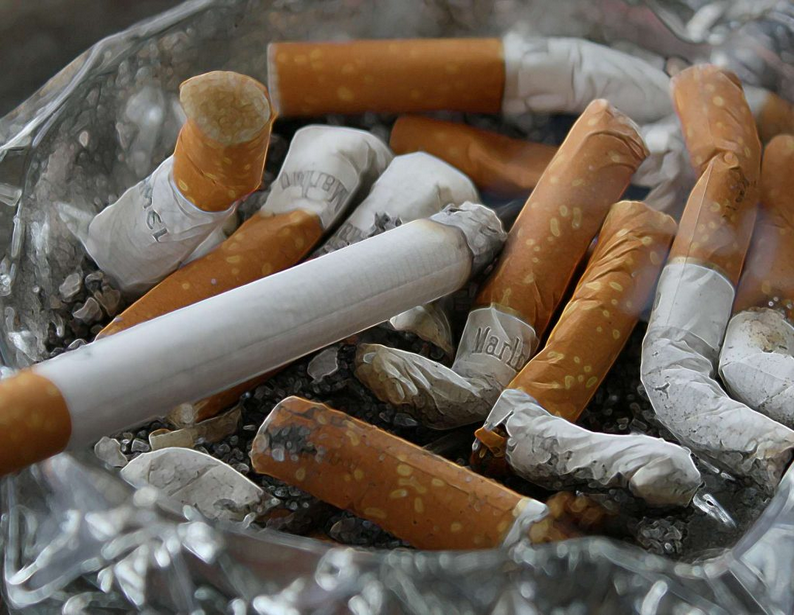
Cigarette breath can remain noticeable after a person finishes smoking, even when the visible smoke has disappeared. The smell comes from tobacco smoke compounds and changes inside the mouth, including reduced saliva and the activity of odour-producing bacteria. Even though the breath after smoking a native cigarette is bit different but still it is as strong as smoking any type of traditional cigarette.
Note – Smoking a menthol cigarette might not give you bad breath as compared to non-menthol.
The noticeable smell may linger for hours, but there is no clinically established number of minutes or hours that applies to everyone. Smoking frequency, oral hygiene, saliva production and existing dental conditions can all affect how long the odour remains noticeable.
Brushing, tongue cleaning, drinking water and sugar-free gum may help reduce bad breath. Persistent smoker’s breath may also indicate an underlying oral health problem that needs professional attention.
Someone who smokes one cigarette and maintains good oral hygiene may notice the smell fading sooner than someone who smokes repeatedly throughout the day. A dry mouth, plaque buildup or gum disease can allow unpleasant breath to continue even after the smoky smell becomes less noticeable.
There is an important distinction between the smell of tobacco smoke and chronic halitosis. Smoky breath may be temporary. Halitosis associated with oral bacteria, dry mouth or periodontal disease can persist until its underlying cause is addressed.
| Factor | Effect on cigarette breath |
|---|---|
| Smoking frequency | Repeated smoking introduces new smoke odours throughout the day. |
| Dry mouth | Reduced saliva makes it harder to clear food debris and odour-producing compounds. |
| Tongue coating | Bacteria on the tongue can produce unpleasant-smelling compounds. |
| Plaque and tartar | Bacterial buildup may contribute to persistent bad breath. |
| Gum disease | Inflammation and periodontal infections can cause chronic halitosis. |
| Oral hygiene | Brushing, interdental cleaning and tongue cleaning help reduce oral causes of bad breath. |
There is no reliable universal time estimate for these effects. Persistent odour is more useful as a reason to evaluate oral health than as a way to estimate how recently someone smoked.
Smoking contributes to bad breath through several overlapping processes. Tobacco smoke has its own characteristic odour, while smoking also affects the oral environment.
Cigarette smoke contains a complex mixture of gases and airborne particles produced by burning tobacco. Some smoke-related compounds can contribute to the smell noticed immediately after smoking.
The characteristic smell may also remain on a person’s hands, hair and clothing. These surrounding odours can make someone seem to have cigarette breath even when the odour from the mouth has diminished.
Saliva helps remove food particles, maintain moisture and control the oral environment. When saliva production is reduced, bacteria and debris are less effectively cleared from the mouth.
Dry mouth, medically known as xerostomia, is a recognized contributor to halitosis. Smoking can worsen oral dryness and make unpleasant breath more noticeable.
Much of the bad breath that originates inside the mouth comes from bacteria breaking down organic material.
During this process, some bacteria release volatile sulfur compounds, including hydrogen sulfide and methyl mercaptan. These substances contribute to unpleasant oral odours.
The tongue, particularly its uneven rear surface, can retain bacteria and debris. Dental plaque and periodontal pockets can also provide environments where odour-producing bacteria accumulate.
Smoking is a major risk factor for periodontal disease, an inflammatory condition affecting the gums and supporting structures of the teeth.
According to Health Canada, people who smoke have an 85% higher risk of gum disease than people who do not smoke, based on the research cited by the agency.
Gum disease can cause persistent bad breath, gum recession, loose teeth and, in advanced cases, tooth loss.
Source: Health Canada: Tobacco and Oral Disease
Reducing cigarette breath involves removing oral debris, supporting saliva production and addressing any existing dental conditions.
The following measures can improve breath freshness, although they cannot eliminate the health risks associated with smoking.
Brush twice daily for approximately two minutes using fluoride toothpaste. Clean your tongue gently once a day with a tongue cleaner or scraper.
Tongue cleaning is particularly relevant because bacteria associated with bad breath frequently accumulate on its surface.
Floss or use an appropriate interdental brush daily.
Food particles and dental plaque can accumulate between teeth where a standard toothbrush cannot reach effectively. Removing this material helps reduce bacterial buildup.
Regular water intake helps maintain mouth moisture, particularly when smoking contributes to a feeling of dryness.
Water may provide temporary relief from dry mouth, but it cannot treat periodontal disease or eliminate every source of halitosis.
Sugar-free chewing gum encourages saliva production and can temporarily improve breath freshness.
A mint-flavoured product may also help conceal unpleasant odours for a short period. Its flavour does not treat plaque, gum disease or another underlying cause of bad breath.
Some mouthwashes primarily provide a temporary mint flavour, while therapeutic formulations contain ingredients intended to control oral bacteria or odour-producing compounds.
The American Dental Association identifies ingredients such as cetylpyridinium chloride, chlorine dioxide and zinc compounds among those used in products designed to manage oral malodour.
For people experiencing dry mouth, an alcohol-free formulation may be more comfortable. A dentist can recommend a suitable product.
Source: American Dental Association: Mouthrinse and Mouthwash
Persistent smoker’s breath may come from plaque buildup, cavities, gum disease or another oral condition.
A professional dental examination can help identify the cause. Treatment may include cleaning, periodontal care or management of dry mouth.
Stopping smoking is an important long-term step for protecting oral and overall health.
Cigarette breath describes the unpleasant smell associated with smoking. Halitosis is the broader term for bad breath from any cause.
| Characteristic | Cigarette smoke odour | Chronic oral halitosis |
|---|---|---|
| Main contributor | Tobacco smoke exposure | Oral bacteria, dry mouth, dental disease or other conditions |
| Timing | Often noticed after smoking | May continue regardless of smoking time |
| Oral hygiene response | May help reduce noticeable odour | Depends on the underlying cause |
| Main concern | Smoke-related odour and oral exposure | Possible dental or medical condition |
| Appropriate response | Avoid further smoke exposure and maintain oral hygiene | Dental assessment when persistent |
The two can occur together. A person who smokes may experience both an immediate smoky smell and ongoing bacterial halitosis.
Yes. Brushing can remove plaque and debris from accessible tooth surfaces, but some sources of unpleasant breath may remain.
Bacteria on the tongue, reduced saliva production, untreated gum disease and repeated tobacco exposure can all contribute to continued odour.
When cigarette breath persists after brushing, consider whether the tongue and interdental spaces are being cleaned adequately. If the problem continues despite good oral hygiene, a dental examination is appropriate.
The smell associated with smoking involves exposure to tobacco smoke and the movement of exhaled air through the respiratory tract. Persistent halitosis, however, commonly originates inside the mouth.
The tongue, dental plaque, gums and saliva are particularly important in understanding chronic bad breath.
The presence of cigarette breath cannot reliably measure how much tar remains inside the lungs or how quickly respiratory tissues recover.
Likewise, the disappearance of cigarette odour does not mean the lungs have recovered from smoking-related damage.
These are separate biological processes and should not be treated as interchangeable measures.
Vaping and cigarette smoking involve different emissions. Cigarettes burn tobacco and produce smoke, while vaping devices generate an aerosol.
The smell associated with vaping may differ from the characteristic odour of burned tobacco. However, vaping can still contribute to oral dryness and bad breath.
The Ontario Dental Association identifies cigarettes, cigars, chewing tobacco and vaping products as potential contributors to dry mouth and halitosis.
Less noticeable odour should not be interpreted as evidence that vaping is harmless.
Stopping smoking removes repeated exposure to cigarette smoke and can support improved oral health.
Someone who stops smoking may notice less tobacco-related mouth odour as the immediate smell fades. The extent of improvement depends on whether other causes of bad breath are present.
Existing plaque buildup, gum disease or dry mouth may still require treatment.
Health Canada reports that the risk of gum disease can begin to decrease as early as one year after quitting smoking. The long-term benefits extend beyond breath freshness to improved periodontal and overall health.
Source: Health Canada: Tobacco and Oral Disease
An occasional smoky odour after smoking is different from bad breath that continues despite regular oral hygiene.
Book a dental appointment if you experience:
The dentist can check for periodontal disease, plaque buildup, cavities and other oral causes. If necessary, they may recommend further medical evaluation.
Persistent mouth sores, unexplained lumps or red or white patches also deserve professional assessment, particularly in someone with a history of tobacco use.
The smell may remain noticeable for hours, but there is no established duration that applies to every person. Oral hygiene, saliva production, smoking frequency and dental health all affect how long the odour persists.
Brushing, tongue cleaning, drinking water and using sugar-free gum may reduce the noticeable smell. These measures cannot guarantee that every smoke-related odour disappears immediately.
Mouthwash can temporarily improve breath freshness. Some therapeutic formulations also help control odour-producing bacteria. Mouthwash does not replace brushing, interdental cleaning or professional treatment for gum disease.
Persistent odour can be associated with oral bacteria, dry mouth, repeated smoke exposure or existing dental conditions. Saliva production naturally decreases during sleep, which can make morning breath more noticeable.
Yes. Other people may detect tobacco-related odour from the breath, clothing or hair. The ability to notice the smell varies with proximity, recent exposure and individual sensitivity.
Smoking may contribute to chronic halitosis through dry mouth and periodontal disease. Whether bad breath persists depends on the underlying condition and whether it is treated.
Coffee can contribute its own noticeable odour. Some caffeinated drinks may also worsen the sensation of oral dryness. Combining coffee with smoking may therefore make breath freshness more difficult to maintain.
Water helps maintain oral moisture and can rinse away some debris. It may reduce temporary dry-mouth-related odour but cannot treat smoking-related gum disease.
Cigarette breath can remain noticeable after smoking because of tobacco smoke exposure, dry mouth and bacterial activity in the mouth. Its duration varies, and no single number of hours reliably predicts when the smell will disappear.
Good oral hygiene and adequate hydration help control everyday bad breath. Persistent odour, especially when accompanied by bleeding gums or other dental symptoms, deserves professional evaluation.
Stopping smoking offers the most meaningful long-term benefits for oral health and eliminates ongoing exposure to cigarette smoke.
No account yet?
Create an AccountYou must be 19 years of age or older to view page. Please verify your age to enter.
Your access is restricted because of your age.